
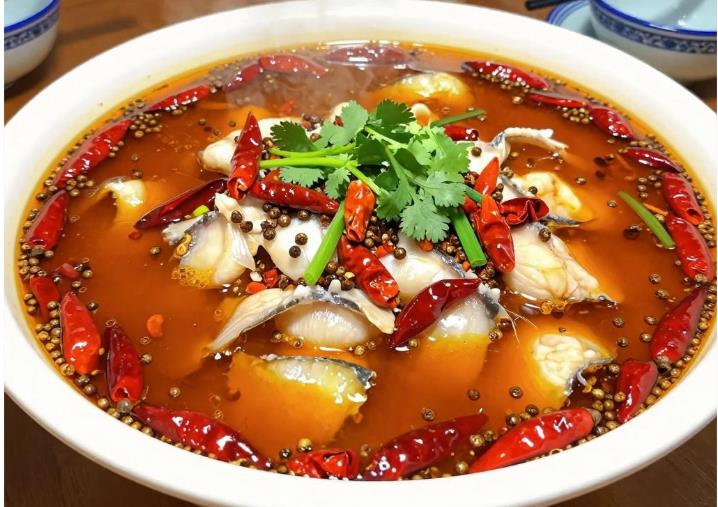

Chinese cuisine is a vibrant mosaic of regional diversity, rich history, and profound cultural significance. With over 5,000 years of culinary evolution, it stands as one of the world’s oldest and most refined food traditions, offering a symphony of flavors, textures, and aromas that captivate global palates.
Regional Diversity: The Eight Great Cuisines
China’s vast geography and climate variations have nurtured eight distinct culinary traditions, each with unique techniques and ingredients:
- Sichuan Cuisine (川菜): Known for its bold spiciness, Sichuan dishes often feature mala (numbing spice) from Sichuan peppercorns and chili peppers. Iconic dishes like Mapo Tofu (spicy tofu stew) and Kung Pao Chicken (stir-fried chicken with peanuts) showcase the region’s love for heat and complexity. Sichuan cuisine also emphasizes huo gong (火候), or precise heat control, ensuring flavors are balanced yet explosive.
- Cantonese Cuisine (粤菜): Celebrated for its fresh ingredients and delicate flavors, Cantonese cooking prioritizes simplicity and natural taste. Dim Sum (steamed dumplings), Char Siu (barbecued pork), and Wonton Soup highlight the region’s mastery of steaming and roasting techniques. Cantonese chefs often use subtle seasonings to enhance, not overpower, the ingredients.
- Shandong Cuisine (鲁菜): As the foundation of northern Chinese cooking, Shandong dishes focus on savory broths and seafood. Sweet and Sour Carp (糖醋鲤鱼) and Braised Sea Cucumber (红烧海参) exemplify the use of lao tiao (老抽, dark soy sauce) for rich color and depth. The province’s coastal location ensures abundant access to fresh fish and shellfish.
- Jiangsu Cuisine (苏菜): Reflecting the elegance of eastern China, Jiangsu dishes are known for their refined presentation and sweet-savory balance. Lion’s Head Meatballs (蟹粉狮子头) and Squirrel-shaped Mandarin Fish (松鼠桂鱼) demonstrate meticulous knife work and slow-braising methods, often incorporating river fish and Nanjing salted duck.
- Zhejiang Cuisine (浙菜): Inspired by Hangzhou’s poetic landscapes, Zhejiang cooking emphasizes light flavors and seasonal ingredients. Longjing Tea Shrimp (龙井虾仁) and *West Lake醋鱼 (vinegar fish) showcase the region’s affinity for fresh vegetables, bamboo shoots, and tea-infused dishes.
- Fujian Cuisine (闽菜): With a coastal location, Fujian cuisine highlights seafood and umami-rich broths. Buddha Jumps Over the Wall (佛跳墙), a luxurious soup with abalone and mushrooms, exemplifies the use of hongzao (红枣, dried jujubes) for sweetness and depth. The region’s techniques include lu (卤, marinating) and zheng (蒸, steaming).
- Hunan Cuisine (湘菜): Similar to Sichuan but with a focus on fresh chili heat, Hunan dishes like Chairman Mao’s Red-braised Pork (毛氏红烧肉) and Spicy Duck Blood Soup (鸭血粉丝汤) use smoked and pickled ingredients. The cuisine’s bold flavors reflect the region’s rugged terrain and agricultural abundance.
- Anhui Cuisine (徽菜): Rooted in mountainous regions, Anhui cooking relies on wild herbs, game, and slow-cooking methods. Stewed Wild Mushroom with Chicken (黄山炖野鸡) and Huangshan Braised Pigeon demonstrate the use of huo shao (火烤, open-fire roasting) and earthy ingredients like lingzhi mushrooms.
Iconic Dishes: Symbols of Culture and History
- Beijing Roast Duck (北京烤鸭): A national treasure, this dish features crispy skin and tender meat, traditionally served with pancakes, cucumber, and sweet bean sauce. Its preparation involves air-drying the duck and roasting it over fruitwood, creating a unique smoky flavor.
- Hot Pot (火锅): A communal dining experience, hot pot involves simmering broth at the table while diners cook fresh meats, vegetables, and noodles. Regional variations include Sichuan’s mala broth and Guangdong’s light seafood-based soup.
- Dim Sum (点心): These bite-sized portions of steamed or fried dumplings, buns, and rolls are staples of Cantonese breakfasts. Popular choices include Char Siu Bao (barbecued pork buns) and Har Gow (shrimp dumplings).
- Noodles and Rice Dishes: From Lanzhou Beef Noodles (兰州牛肉面) to Yangzhou Fried Rice (扬州炒饭), these staples vary by region. Northern China favors wheat-based noodles, while southern regions prioritize rice.
Cultural Significance: Food as Heritage
Chinese cuisine transcends mere nourishment; it embodies philosophy, art, and social harmony. The concept of Yin-Yang balance is reflected in dishes like Dongpo Pork (东坡肉), where rich fatty meat is offset by sweet-savory sauce. Seasonal ingredients and festivals also play a role: Zongzi (glutinous rice dumplings) are eaten during Dragon Boat Festival, while Mooncakes (月饼) symbolize family unity during Mid-Autumn Festival.
Modern Global Influence
Today, Chinese food is a global phenomenon, with adaptations like General Tso’s Chicken in the U.S. and Dim Sum in Europe. However, traditionalists emphasize preserving authentic techniques, such as tangcu (糖醋, sweet-sour) balance and qie gong (切工, knife skills), to honor the cuisine’s legacy.
Conclusion
Chinese cuisine is a living museum of history, geography, and human creativity. Whether savoring a steaming bowl of Luosifen (螺蛳粉) in Guangxi or a delicate Buddha Jumps Over the Wall in Fujian, each dish tells a story of regional pride and cultural depth. It invites diners to explore not just flavors, but the soul of China itself.


